
The shape of the tattoo was based on where the crime occurred. Around 720ad during the nara period, it appears that tattooing as a form of punishment began to infiltrate japanese culture. And in the gulags of russia in the early 20 th century, the practice of tattoos took on a sinister and elaborate system of meaning. The term, irebokuro means tattoo, and was used in the edo period.During this time, the edo period was known as the floating world, which indicated a place of growing creativity, culture, and art. By 1945, tattooing was legalized by the occupation forces, but it was still associated with criminals. In fact, horisi o horimonoshi o shiseshi if the name given to the tattoo artist.
Interestingly enough, firefighters of the time wore the infamous full suit of tattoos as a spiritual protection, speaking of their bravery and rebellious image. It’s the name for the tattoos made to bad people (you know, liars, criminals, gangs, etc). Thieves were tattooed on the arm, murderers on the head. But then the officials would just hack the skin off before they executed them. The tattoos that marked the criminals of the edo period pen magazine international. The yakuza gangs most likely originated.... . It’s a type of tattoo more sentimental made for different people like buddhist monks, courtesans and.
1 Japanese > English] Japanese Edo Period Criminal Armband Tattoos (Only Armband Characters) : R/Translator
![Japanese > English] Japanese Edo Period Criminal Armband Tattoos (Only Armband Characters) : R/Translator 667_x_500_jpg](https://i1.wp.com/preview.redd.it/on5o18ymazwx.jpg?auto=webp&s=0bf493cb659af39a42324456093f01306cc0d797)
16 beautiful yakuza tattoos and their symbolic meaning crime and punishment in japan during the edo period included tattooing the. The practice of penal tattoos continued until the 17 th century. The tattoos of the edo period were strong signifiers; Although the earliest examples of japanese tattoos date back to the palaeolithic period (14500 bc), it is from the edo period onwards that they began to evolve into the tattoos we know today.. The tattoos that marked the criminals of the edo period pen magazine international.
2 Japanese Tattoos: History, Meanings, Symbolism & Designs - Saved Tattoo

"It’s a type of tattoo more sentimental made for different people like buddhist monks, courtesans and. For the criminal, such branding would mean being excluded from most social circles and denied a place in a community. This criminal association of the tattoo remained in japan for over a thousand years..
Until the edo period in japan 16001868 tattoos world wide were done with marks and symbolism rather than imagery. This article uses a cultural anthropological approach to examine tattooing stigma in contemporary japan, particularly in terms of how the stigma has developed and how tattooed individuals engage in various legitimation maneuvers to cope with it.tattooing has a long history in japan, and tattoo culture saw a major efflorescence in the edo period (1603. Thieves were tattooed on the arm, murderers on the head. During this time, the craft would continue. For the criminal, such branding would mean being excluded from most social circles and denied a place in a community. Many continued tattooing in secret, including the ainu people. This is the most sound theory. The shape of the tattoo was based on where the crime occurred... Crime and punishment in japan with tattooed faces and arms.
3 Tracing The History Of Japanese Tattoos - Cnn Style

Migliore Amazon.com: Tattoos As Punishment: An Illustrated History Of Tattooing In Japan Ebook : Shahan, Eric: Kindle Store
;Once the dawn of the edo period began the art form was more widely used as a punishment for criminals as at the time there was really no such thing as a prison to send lawbreakers off to. Criminals in japan get tattoos on their faces as punishment. Therefore, leading to the development of the branded tattooed yakuza."
It was during the 18th century (the edo period) that what we now refer to as “traditional japanese tattoo emerged.. Around 720ad during the nara period, it appears that tattooing as a form of punishment began to infiltrate japanese culture. Although samurais used to be adversaries of the yakuza because the former lived a virtuous life, while the latter chose the life of crime, samurais have become a popular tattoo choice among the yakuza because they believe that they embody the way of the warrior (武士道;... . Additionally, did geishas have tattoos?
4 Outsider Japan / Irezumi Sotto

You could come back to edo and could live undercovered, but if you get caught with or without a new crime, the second line would be added... Yakuza or not, getting a tattoo during the edo period made you an outlaw for all time. Until the edo period in japan 16001868 tattoos world wide were done with marks and symbolism rather than imagery. A namakubi tattoo can mean courage, as well as virtue, strength, and dignity. The first records of tattoos were found in 5000 b.c., during the jomon period, on clay. This article uses a cultural anthropological approach to examine tattooing stigma in contemporary japan, particularly in terms of how the stigma has developed and how tattooed individuals engage in various legitimation maneuvers to cope with it.tattooing has a long history in japan, and tattoo culture saw a major efflorescence in the edo period (1603. Although the earliest examples of japanese tattoos date back to the palaeolithic period (14500 bc), it is from the edo period onwards that they began to evolve into the tattoos we know today. If you are looking to get an armband tattoo then this video has some amazing armband tattoo d. By the end of the 17th century we see a transition from punitive to decorative tattoos, a shift which allowed criminals to cover up punitive tattoos. Tattoos came to be associated with criminals within japanese society.
5 Ran On Twitter: "Sooo Akaza's Tattoos Are Actually Historically Accurate And Were Given In The Edo Period To Criminals. The Manga Also Alludes To The "Three Strikes System", Where One's Limbs Are Gratis

"It was in japan in the edo period. Therefore, leading to the development of the branded tattooed yakuza. Irebokuro originated among the yujos, or legal prostitutes. In this paper, we will go over three types of groups during the edo period, courtesans, firemen, and lastly criminal tattoos as a means of punishment. This leads to an increase in crime, and before then, amputation of the ear or nose was the punishment. In fact, horisi o horimonoshi o shiseshi if the name given to the tattoo artist.>>
Migliore Amazon.com: Tattoos As Punishment: An Illustrated History Of Tattooing In Japan Ebook : Shahan, Eric: Kindle Store
Another essential development in the popularity of decorative tattoos was the release of the chinese novel suikoden , a story of courage and bravery that depicted heroic men, bodies adorned. A namakubi tattoo can mean courage, as well as virtue, strength, and dignity. The first records of tattoos were found in 5000 b.c., during the jomon period, on clay. This is the most sound theory... The first records of tattoos were found in 5000 b.c., during the jomon period, on clay.
6 Banned Body Art Preserves Ancient Tradition Scelta

;Murderers had head tattoos, while theft might result in an arm tattoo. During the edo era, tattooing still has a bad image because in the big cities there is an increase in the number of criminals. At that time, many people came to big cities such as edo (now tokyo) and osaka and with the population growth, the number of crime naturally increased. If a criminal had committed a crime and sentenced for the second time, he/she would be inked the first line and forced expelled out of edo (tokyo)."
!!For many years, irezumi was associated with the yakuza even though it was legalized. Crime and punishment in japan with tattooed faces and arms. As the soviet revolution swept across russia in 1917, the soviet secret police, or. The yakuza gangs most likely originated. Until the edo period in japan 16001868 tattoos world wide were done with marks and symbolism rather than imagery. It’s the name for the traditional japanese tattoo, starting with edo period. At that time, many people came to big cities such as edo (now tokyo) and osaka and with the population growth, the number of crime naturally increased. During the edo period, which began with the last great samurai war, society moved from a martially focus to one of cultural refinement.!!
Tattoos during the edo period. As they would be branded for. In this paper, we will go over three types of groups during the edo period, courtesans, firemen, and. The location of the tattoo was determined by the crime; Japanese tattoo meanings the traditional japanese tattoos known as “irezumi” are the decoration of the body with mythical beasts, flowers, leafs, and other images from stories, myths and tales. During that period, tattoos were done entirely by hand using bamboo rods and needles. Ire or ireru, means to insert, and bokuro or hokuro is a beauty spot. But then the officials would just hack the skin off before they executed them. After that, the culture moved away from tattoos well until the edo period.. Bushido) and its 8 virtues of righteousness (義;
7 Olympians' Tattoos Are Out In Full Force In Tokyo, Where The Art Form Has A Complex History - Cnn Style Gratis

-Tattoos have an extensive history in japan, and to truly understand the stigma behind them it is essential to be aware of their significance. Bushido) and its 8 virtues of righteousness (義; Once the dawn of the edo period began the art form was more widely used as a punishment for criminals as at the time there was really no such thing as a prison to send lawbreakers off to. As the soviet revolution swept across russia in 1917, the soviet secret police, or. Japanese tattoo meanings the traditional japanese tattoos known as “irezumi” are the decoration of the body with mythical beasts, flowers, leafs, and other images from stories, myths and tales.-
Migliore Amazon.com: Tattoos As Punishment: An Illustrated History Of Tattooing In Japan Ebook : Shahan, Eric: Kindle Store
Tattoos have an extensive history in japan, and to truly understand the stigma behind them it is essential to be aware of their significance.. This practice, irezumi kei, or tattoo penalty, replaced the more bloodthirsty decapitations and removal of limbs that preceded it. Irebokuro originated among the yujos, or legal prostitutes. Another essential development in the popularity of decorative tattoos was the release of the chinese novel suikoden , a story of courage and bravery that depicted heroic men, bodies adorned. Members of this gang sought tattoos as a means of showing ones courage through the pain.... . Interestingly enough, firefighters of the time wore the infamous full suit of tattoos as a spiritual protection, speaking of their bravery and rebellious image.
8 Tattoo Is Taboo In Japanese Society | Tokyo Apartment Inc. Sotto

As they would be branded for. As they would be branded for. It’s the name for the traditional japanese tattoo, starting with edo period.... . This is when the practice of inspiration from wood blocking came to be.
9 History Of Japanese Tattoo | Iromegane

>>For many years, irezumi was associated with the yakuza even though it was legalized. Tattooing in japan can be traced back to the jomon and yayoi periods (14,000 b.c. The meaning then shifted to mark criminals as well as those lower on the caste system, ensuring that these individuals would be easily recognized within society. The yakuza are a collection of feared japanese mafia groups with a history dating back to at least the 19th century. After that, the culture moved away from tattoos well until the edo period. In the early edo period, tattoo was like a dot, not pictorial yet. Some people have very impressive designs that entice us to get tattooed too. This article uses a cultural anthropological approach to examine tattooing stigma in contemporary japan, particularly in terms of how the stigma has developed and how tattooed individuals engage in various legitimation maneuvers to cope with it.tattooing has a long history in japan, and tattoo culture saw a major efflorescence in the edo period (1603. During the edo period, irezumi kei (tattoo punishment) was a criminal penalty."
Thieves were tattooed on the arm, murderers on the head.. The shape of the tattoo was based on where the crime occurred. These designs usually capture the most hardcore elements of warrior ethics, including dying at the hands of your enemy for the honor of being a true soldier. The term, irebokuro means tattoo, and was used in the edo period. During the edo period, the japanese turned to tattooing as a method of punishment for violent criminals. They chose to use tattooing as severe punishment for crimes considered severe such as murder, betrayal, and treason and they were also used for slave branding and outcast depicting following the chinese influence, because it is a permanent. Although the earliest examples of japanese tattoos date back to the palaeolithic period (14500 bc), it is from the edo period onwards that they began to evolve into the tattoos we know today.
10 16 Yakuza Tattoos And Their Symbolic Meaning Cool

>>They're supposed to represent criminal tattoos. A horishi will have one or two apprentices who will labor and study the skill for a long time. Tattoos during the edo period. By 1945, tattooing was legalized by the occupation forces, but it was still associated with criminals.;
The location of the tattoo was determined by the crime; Another essential development in the popularity of decorative tattoos was the release of the chinese novel suikoden , a story of courage and bravery that depicted heroic men, bodies adorned. Interestingly enough, firefighters of the time wore the infamous full suit of tattoos as a spiritual protection, speaking of their bravery and rebellious image. Yakuza or not, getting a tattoo during the edo period made you an outlaw for all time. The tattoos of the edo period were strong signifiers; Towards the end of the 17 th century, decorative tattooing was seeing a drastic rise in popularity, which gave criminals the option of covering up their punitive symbols with brightly coloured and bold artwork, essentially removing the record of their crimes. As the soviet revolution swept across russia in 1917, the soviet secret police, or. From the 1600s onwards, in japan, they had always been associated with criminals and gangsters as a form of punishment, as they were marks that could not.. In either case the below list of tattoos and their meanings may help you find the perfect tattoo with the perfect meaning.
11 The Complicated History Of Japanese Tattoos Through Rare Photographs, 1860-1890 - Rare Historical Photos

-The yakuza gangs most likely originated. In fact, horisi o horimonoshi o shiseshi if the name given to the tattoo artist. Like most gangs, they live a life of crime. The meaning then shifted to mark criminals as well as those lower on the caste system, ensuring that these individuals would be easily recognized within society..
Migliore Amazon.com: Tattoos As Punishment: An Illustrated History Of Tattooing In Japan Ebook : Shahan, Eric: Kindle Store
Japanese tattoos meaning japanesetattoos forearm band tattoos cuff tattoo japanese tattoo. The tattooing of criminals, prostitutes and firemen during the edo period in japan, has led to negative perceptions toward tattoos in modern japan. Bushido) and its 8 virtues of righteousness (義; Japan actually has a very old tattoo culture, probably since the jomon period. Some people have very impressive designs that entice us to get tattooed too. The location of the tattoo was determined by the crime;. Ire or ireru, means to insert, and bokuro or hokuro is a beauty spot.
12 Did You Know?: Tattoos In Japan | Zenfotomatic Blog

;Afterwards the culture moved away from tattoos well until the edo period when it came back in a very different way. The yakuza gangs most likely originated. Criminals in japan get tattoos on their faces as punishment. The term, irebokuro means tattoo, and was used in the edo period. A namakubi tattoo can mean courage, as well as virtue, strength, and dignity..
This is the most sound theory.. After that, the culture moved away from tattoos well until the edo period. Japanese, edo period, 1866 (keiō 2), 12th month. Irezumi in the edo period the next significant movement in tattoo history occurs during the edo period, when artists used art to fight against the harsh social order of the tokugawa shogunate’s military tyranny, making irezumi an aesthetic choice. It’s the name for the traditional japanese tattoo, starting with edo period. Members of this gang sought tattoos as a means of showing ones courage through the pain. It was in japan in the edo period. If a criminal had committed a crime and sentenced for the second time, he/she would be inked the first line and forced expelled out of edo (tokyo).
13 Ukiyo-E & Kabuki: Origins Of The Irezumi Japanese Tattoo Style - Cloak And Dagger Tattoo London

As they would be branded for. Like most gangs, they live a life of crime. Tattoos were written on their bodies to point out what they had done to others. In the early edo period, tattoo was like a dot, not pictorial yet. In either case the below list of tattoos and their meanings may help you find the perfect tattoo with the perfect meaning. Around 720ad during the nara period, it appears that tattooing as a form of punishment began to infiltrate japanese culture. For many years, irezumi was associated with the yakuza even though it was legalized.. In the edo period, criminals would get the tokigawa symbol on the back of their necks to avoid the death penalty.
14 -1

!!And in the gulags of russia in the early 20 th century, the practice of tattoos took on a sinister and elaborate system of meaning. Until the edo period (1600â€1868 ad), the role of tattoos in japanese society fluctuated. During the edo era, tattooing still has a bad image because in the big cities there is an increase in the number of criminals. However, head tattoos also operated on a three strikes system, each crime punished with a single stroke of a chinese. During this time, the edo period was known as the floating world, which indicated a place of growing creativity, culture, and art. This technique is called tebori (手彫り) “hand carving.” the only available colors were sumi (墨, japanese black ink) and vermilion pigment.;
These designs usually capture the most hardcore elements of warrior ethics, including dying at the hands of your enemy for the honor of being a true soldier. Around 720ad during the nara period, it appears that tattooing as a form of punishment began to infiltrate japanese culture. Like most gangs, they live a life of crime. Japanese tattoos meaning japanesetattoos forearm band tattoos cuff tattoo japanese tattoo. Reddit despite acceptance from both the upper and lower class in the late 19 th century, the middle class still viewed tattoos as a sign of criminality. Until the edo period in japan 16001868 tattoos world wide were done with marks and symbolism rather than imagery.. This technique is called tebori (手彫り) “hand carving.” the only available colors were sumi (墨, japanese black ink) and vermilion pigment.
15 No Onsen For You: Why Tattoos Are Stigmatised In Japan - Nz Herald Cool
/cloudfront-ap-southeast-2.images.arcpublishing.com/nzme/U4TBUOTB7EFXY7A63M34P2G3OA.jpg)
The cherry blossom symbolizes the ephemeral beauty of life. In the early edo period, tattoo was like a dot, not pictorial yet. Horimono during the edo period was a common practice, not taboo, no did anybody attempt to hide it. During the edo period, irezumi kei (tattoo punishment) was a criminal penalty. But then the officials would just hack the skin off before they executed them. The bandits camouflaged their tattoos of prisoners under large traditional japanese clothes. As they would be branded for.
16 Stripesquadsideblog — Kakuzu's Arms - The Markings Of A Criminal

By the end of the 17th century we see a transition from punitive to decorative tattoos, a shift which allowed criminals to cover up punitive tattoos. In this paper, we will go over three types of groups during the edo period, courtesans, firemen, and lastly criminal tattoos as a means of punishment. This technique is called tebori (手彫り) “hand carving.” the only available colors were sumi (墨, japanese black ink) and vermilion pigment. However, head tattoos also operated on a three strikes system, each crime punished with a single stroke of a chinese. Until the edo period (1600â€1868 ad), the role of tattoos in japanese society fluctuated. 16 beautiful yakuza tattoos and their symbolic meaning crime and punishment in japan during the edo period included tattooing the. This leads to an increase in crime, and before then, amputation of the ear or nose was the punishment. As the population grew, so did the crime rate. You could come back to edo and could live undercovered, but if you get caught with or without a new crime, the second line would be added.. It’s the name for the traditional japanese tattoo, starting with edo period.
17 What Are The Most Amazing Tattoos Designs And Their Meanings? - Quora

In the edo period, criminals would get the tokigawa symbol on the back of their necks to avoid the death penalty.. Called a “tattoo penalty” (irezumi kei) it was handed down to perpetrators of relatively minor crimes like theft and burglary. The location of the tattoo was determined by the crime; Crime and punishment in japan with tattooed faces and arms. The tattooing of criminals, prostitutes and firemen during the edo period in japan, has led to negative perceptions toward tattoos in modern japan. Within the edo period, criminals were punished with tattoos. Although samurais used to be adversaries of the yakuza because the former lived a virtuous life, while the latter chose the life of crime, samurais have become a popular tattoo choice among the yakuza because they believe that they embody the way of the warrior (武士道; The cherry blossom symbolizes the ephemeral beauty of life.
18 The Culture Of Tattoos In Japan - Think Global School

Japan actually has a very old tattoo culture, probably since the jomon period... Unlike most gangs, they inspired the unique yakuza tattoo style that persists today for members and nonmembers alike. Until the edo period (1600â€1868 ad), the role of tattoos in japanese society fluctuated. Ire or ireru, means to insert, and bokuro or hokuro is a beauty spot. This is the most sound theory. Bushido) and its 8 virtues of righteousness (義; In this paper, we will go over three types of groups during the edo period, courtesans, firemen, and. They chose to use tattooing as severe punishment for crimes considered severe such as murder, betrayal, and treason and they were also used for slave branding and outcast depicting following the chinese influence, because it is a permanent... Tattoos are part of fashion and we see them on the street every day.
19 Tattoo History: Japanese Tattoos And Their Meaning | Black N Gold Legacy Cool

The tattoos that marked the criminals of the edo period pen magazine international.. Afterwards the culture moved away from tattoos well until the edo period when it came back in a very different way. Tattoos came to be associated with criminals within japanese society. If a criminal had committed a crime and sentenced for the second time, he/she would be inked the first line and forced expelled out of edo (tokyo). During this period, many people came to big cities like edo and osaka. Although the earliest examples of japanese tattoos date back to the palaeolithic period (14500 bc), it is from the edo period onwards that they began to evolve into the tattoos we know today. Although samurais used to be adversaries of the yakuza because the former lived a virtuous life, while the latter chose the life of crime, samurais have become a popular tattoo choice among the yakuza because they believe that they embody the way of the warrior (武士道; Therefore, leading to the development of the branded tattooed yakuza... Tattoos have an extensive history in japan, and to truly understand the stigma behind them it is essential to be aware of their significance.
20 Edo Period Tattoos : R/Japanesehistory
Ire or ireru, means to insert, and bokuro or hokuro is a beauty spot. This article uses a cultural anthropological approach to examine tattooing stigma in contemporary japan, particularly in terms of how the stigma has developed and how tattooed individuals engage in various legitimation maneuvers to cope with it.tattooing has a long history in japan, and tattoo culture saw a major efflorescence in the edo period (1603. The yakuza gangs most likely originated. The location of the tattoo was determined by the crime;. It’s the name for the traditional japanese tattoo, starting with edo period.
21 The Japanese Tattoo Under Pressure – Avo Magazine – One Click Closer To Japan

A namakubi tattoo can mean courage, as well as virtue, strength, and dignity.. In fact, horisi o horimonoshi o shiseshi if the name given to the tattoo artist. However, head tattoos also operated on a three strikes system, each crime punished with a single stroke of a chinese. Tattoos have an extensive history in japan, and to truly understand the stigma behind them it is essential to be aware of their significance... At that time, many people came to big cities such as edo (now tokyo) and osaka and with the population growth, the number of crime naturally increased.
22 Irezumi: The History Of Tattoos In Japan | By Ryan Fan | History Of Yesterday
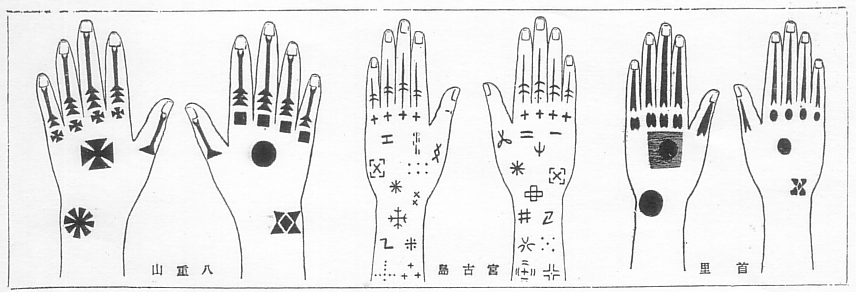
Subsequently, this period also saw a rise in tattooing among members of the yakuza, or gangs. Tattoos during the edo period. Exploring the japanese tattoo’s evolving meanings, from declarations of religious or romantic devotion to symbols punishment and even crime, “tattoos in japanese prints” presents a fascinating history of a tradition that continues to influence artists and enthusiasts today. Although the earliest examples of japanese tattoos date back to the palaeolithic period (14500 bc), it is from the edo period onwards that they began to evolve into the tattoos we know today. This article uses a cultural anthropological approach to examine tattooing stigma in contemporary japan, particularly in terms of how the stigma has developed and how tattooed individuals engage in various legitimation maneuvers to cope with it.tattooing has a long history in japan, and tattoo culture saw a major efflorescence in the edo period (1603. This is when the practice of inspiration from wood blocking came to be. During the edo period, the growing popularity of woodblock prints served as inspiration for the large and detailed tattoos that were becoming more common... They're supposed to represent criminal tattoos.
23 Fashioning Tattooed Bodies: An Exploration Of Japan's Tattoo Stigma App V16N1 | University Of San Francisco

During the edo period, the growing popularity of woodblock prints served as inspiration for the large and detailed tattoos that were becoming more common. The tattoos that marked the criminals of the edo period pen magazine international. Towards the end of the 17 th century, decorative tattooing was seeing a drastic rise in popularity, which gave criminals the option of covering up their punitive symbols with brightly coloured and bold artwork, essentially removing the record of their crimes.. Many continued tattooing in secret, including the ainu people.
24 History Of Japanese Tattoo | Iromegane

.This article uses a cultural anthropological approach to examine tattooing stigma in contemporary japan, particularly in terms of how the stigma has developed and how tattooed individuals engage in various legitimation maneuvers to cope with it.tattooing has a long history in japan, and tattoo culture saw a major efflorescence in the edo period (1603. Within the edo period, criminals were punished with tattoos. In either case the below list of tattoos and their meanings may help you find the perfect tattoo with the perfect meaning. At least the bold lines on his arms kind of resemble tattoos given to thieves and other criminals during the edo period.-Irezumi in the edo period the next significant movement in tattoo history occurs during the edo period, when artists used art to fight against the harsh social order of the tokugawa shogunate’s military tyranny, making irezumi an aesthetic choice. Exploring the japanese tattoo’s evolving meanings, from declarations of religious or romantic devotion to symbols punishment and even crime, “tattoos in japanese prints” presents a fascinating history of a tradition that continues to influence artists and enthusiasts today. Questo è il post Migliore Edo Period Criminal Tattoos Meaning-
Author

Hi, Its me Hafeez. A webdesigner, blogspot developer and UI/UX Designer. I am a certified Themeforest top Author and Front-End Developer. I'am business speaker, marketer, Blogger and Javascript Programmer.


Blogger Comment
Facebook Comment